There’s a way to grow a flower garden that don’t ask much from you… no endless weeding, no fussing, no tearing up the ground like you’re mad at it. Just a little patience, a little compost, and a willingness to let the earth do what she already knows how to do.
Truth is, the ground ain’t waiting on you to be perfect. It’s just waiting on you to begin.
If your space is covered in grass, don’t overthink it. Weedeat it down to the nub. Not pretty, not fancy, just low and honest. Then take something sharp and pierce a shallow row into the ground like you’re opening a seam. That’s your seed row. Fill that row with good compost.
You ain’t just feeding flowers when you do that… you’re feeding everything you can’t see that makes life possible in the first place.
Lay landscape fabric over the whole bed, then slice the fabric right where your compost row is and plant your seeds there. That one step will save you a world of trouble. It keeps weeds from taking over, holds moisture like a quilt, and lets your flowers grow without competition.
It’s the closest thing to telling chaos, “not today.”
Now, a lot of folks will ask if they need those little greenhouse trays to get started.
Truth is, for most of these flowers, you don’t.
You can put your seed straight into the ground, about an inch down into that compost row, and they’ll do just fine. Sometimes better. They grow up right where they’re meant to live, learning the wind, the sun, and the rhythm of that soil from the very beginning.
Now if you want more control, you can use those little greenhouse containers, and this is the time of year to start them. Just know what you’re choosing.
Those seedlings are raised in perfect conditions… no wind, no cold, no struggle. So when it’s time to move them outside, they have to be hardened off slow, or they’ll go into shock. And you won’t be putting them in the ground until around May once frost is done with us.
So yes, you get more control… but you also get more fragile plants.
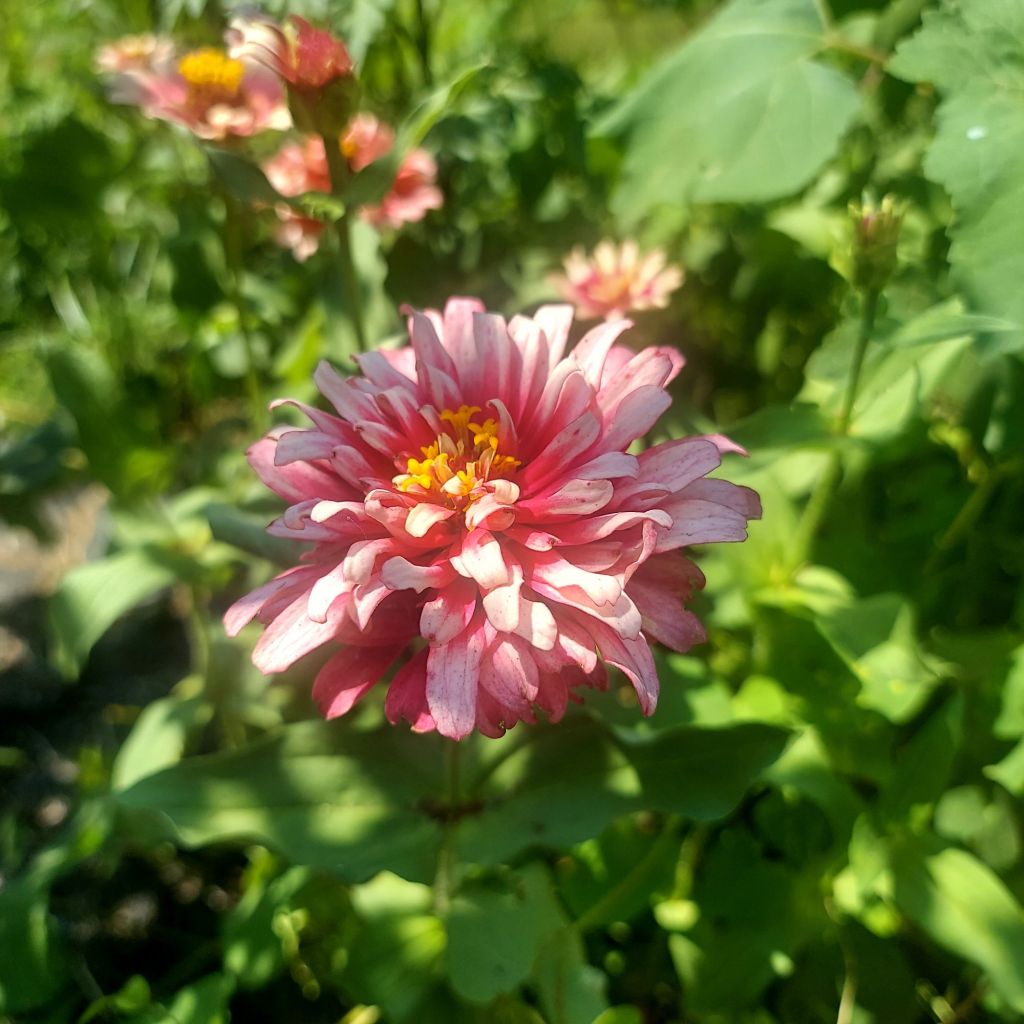
The ones you sow straight into the earth come up tougher. A little more wild. A little more sure of themselves.
And those are usually the ones that thrive without you having to hover.
Don’t mulch right away. Let your seedlings get about four inches tall first. If you mulch too soon, you’ll smother them before they ever get going. Once they’re up and sturdy, then you can tuck them in.
Babies need air before they need blankets.
If you set it up this way, you won’t have to water much. Only step in if the summer turns dry. When you do water, do it in the evening and soak at the base so the moisture settles down into the mulch instead of evaporating off the leaves.
Water low, slow, and steady… same as tending anything living.
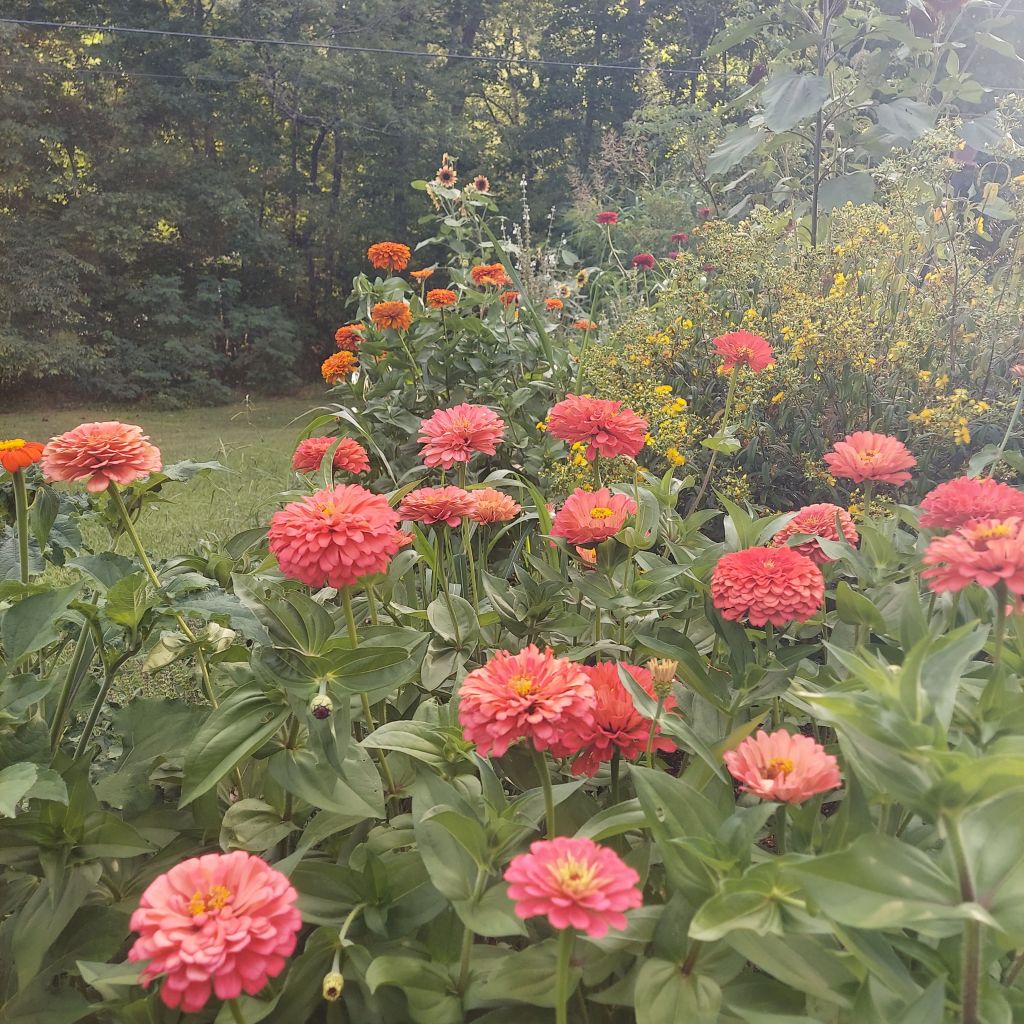
Now here’s the part folks struggle with. When your zinnias bloom for the first time, cut them. Even if they’re the prettiest thing you’ve ever seen.
That first bloom ain’t the reward… it’s the invitation.
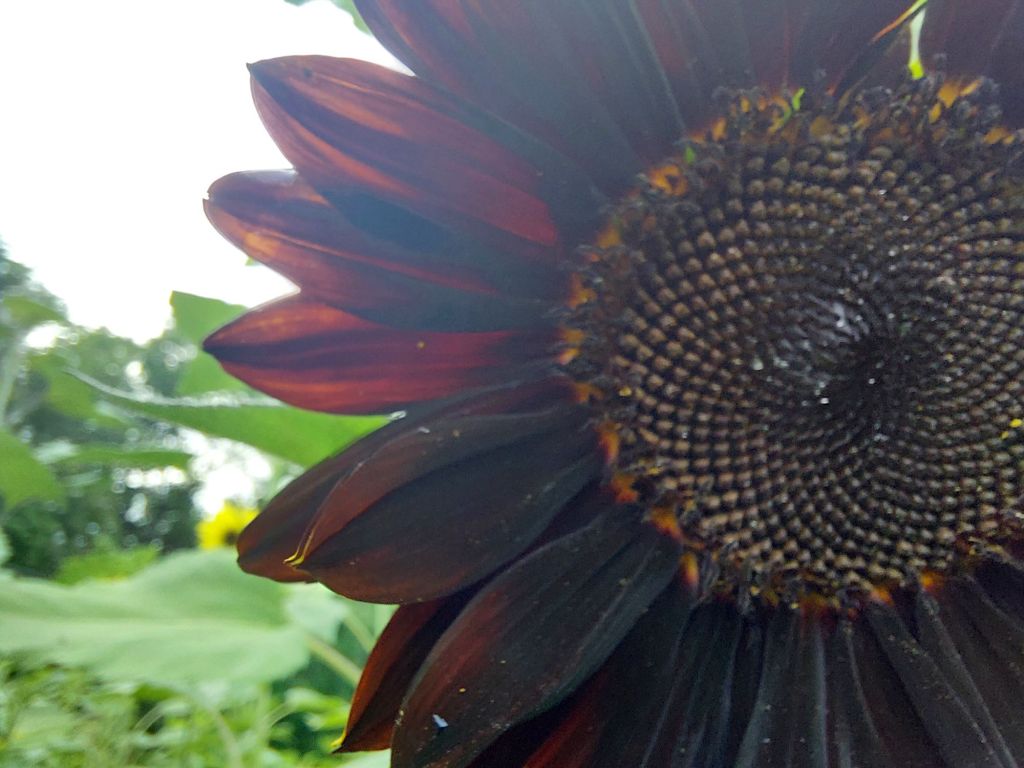
The more you cut, the more they bloom. It helps them bush out and give you way more flowers in the long run. Some things in life only multiply when you’re willing to let go of the first good thing.
I don’t like tilling. It does more harm than good to the living structure of the soil. There’s a whole world under your feet doing its job, and I’d rather not tear it up if I don’t have to.
You start paying attention long enough, you realize the soil ain’t dirt… it’s a community.
When the season ends, don’t clean everything up. Leave your dead stems standing through winter. They feed the birds, protect the soil, and mark your rows for next year.
Nothing in the garden is wasted. It just changes jobs.
Come spring, just pull up what’s done, add a little compost back into your row, and plant again.
You’ll start to notice volunteers coming up on their own from seeds dropped the year before. Learn what your seedlings look like so you don’t mistake them for weeds and pull them out.
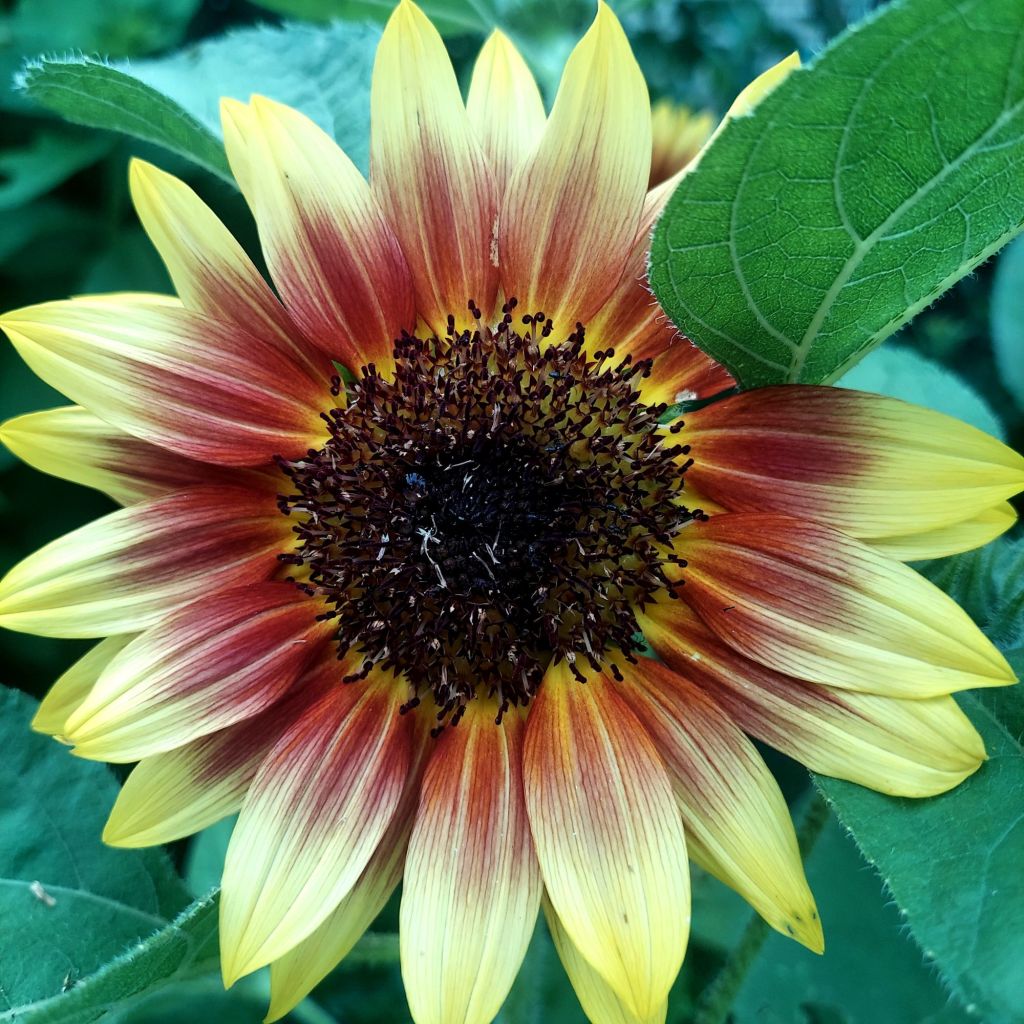
Not everything that shows up uninvited is a problem. Some things are gifts you didn’t know to ask for.
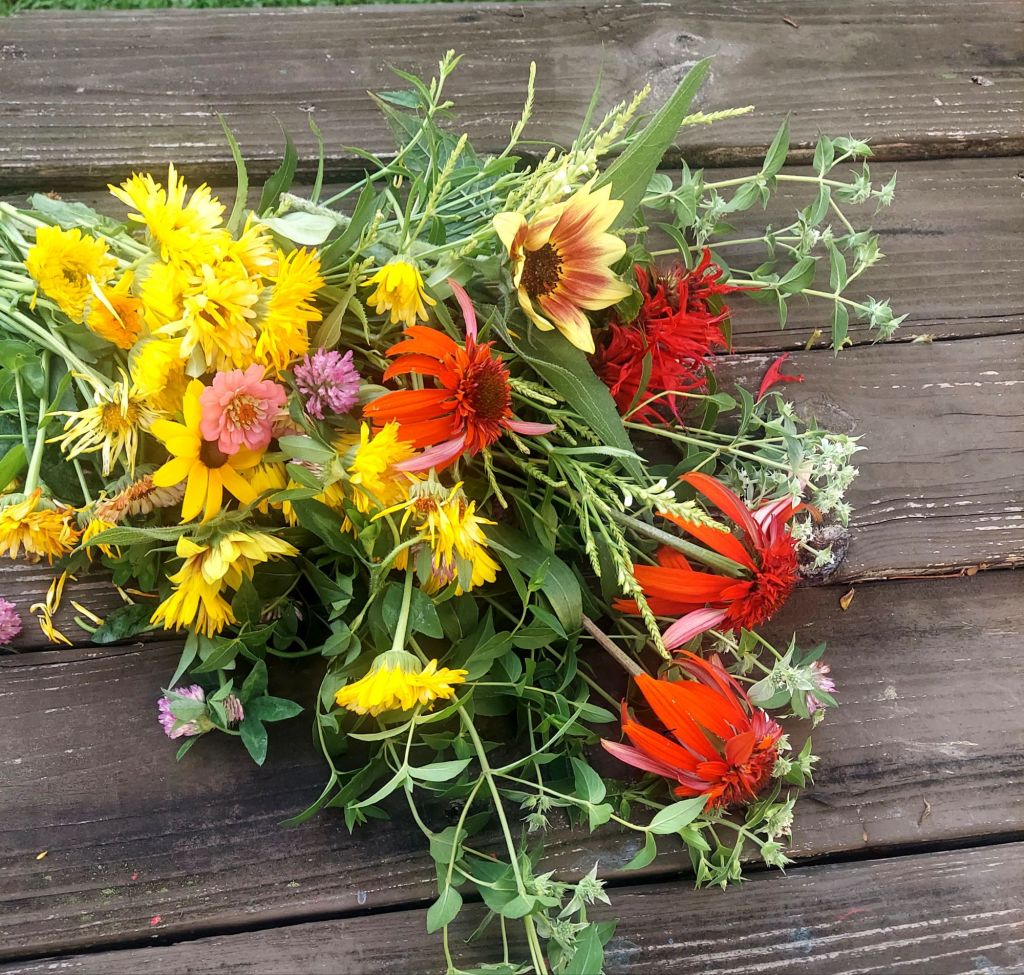
If you’re looking for easy, beautiful flowers, start with zinnias, sunflowers, bee balm, calendula, and mints. Zinnias will bloom like crazy if you keep cutting them. Sunflowers are best planted every couple weeks so they keep coming all summer. Bee balm and calendula will reseed themselves. Calendula is also great along borders because it stays shorter and helps keep pests away.
Mint is beautiful filler, especially lemon mint, but give it its own space or it’ll take over everything. She’s helpful… but she’s got a strong personality and no sense of boundaries.
You can start as soon as the ground will let you. I like planting around the new moon. It just feels like a good time to put seeds in the ground… quiet, unseen, full of promise.
You might lose a few seedlings if a late frost comes through, and that’s alright. That ain’t failure… that’s rhythm.
So stagger your planting. Put some in now, then again early April, mid April, and early May. That way you’ll have blooms coming steady instead of all at once.
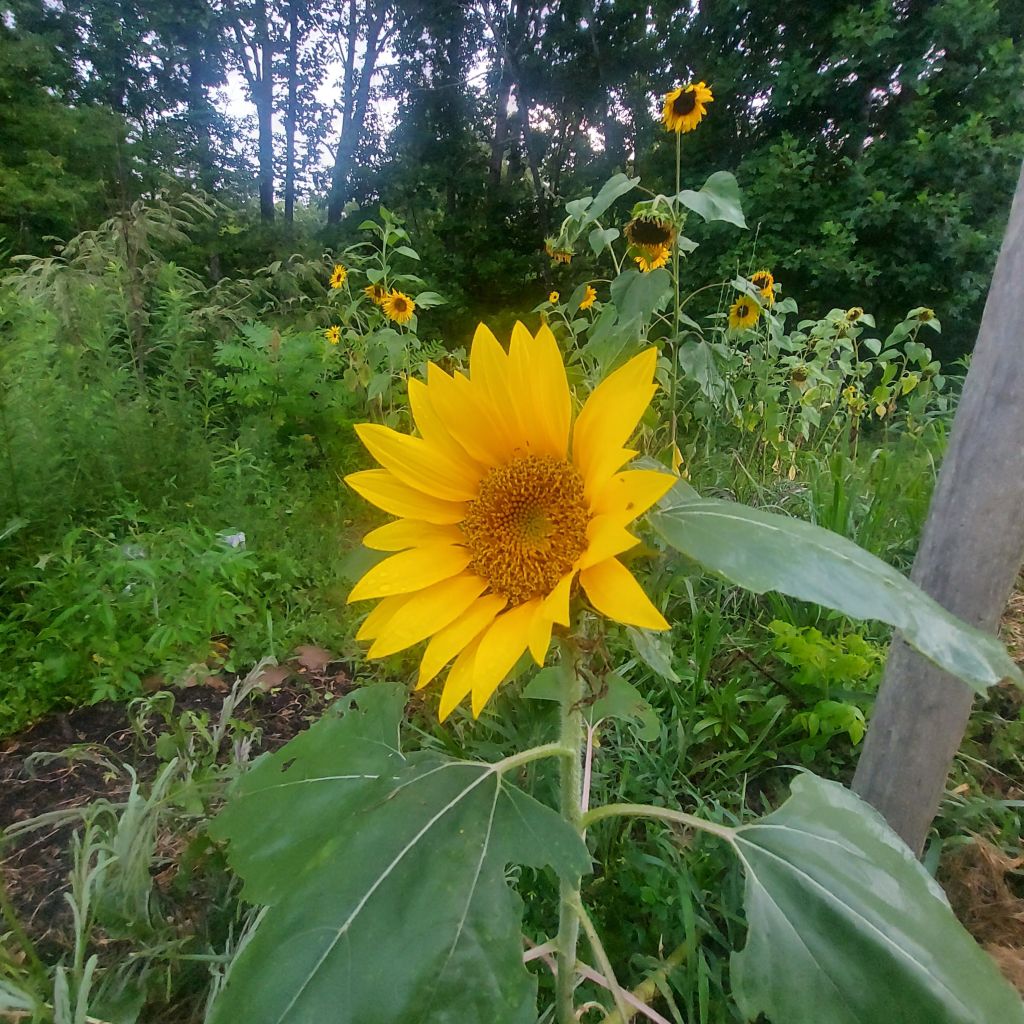
If you’re planting sunflowers, sow them every two weeks for a continuous show. Zinnias are a little more generous and will keep producing, but those two grow like sisters in a garden… different personalities, same good heart.
This way of growing took me sixteen years to learn.
So I’m handing it to you like something passed down, not something sold.
You don’t have to do it perfect.
Just start.
The flowers will meet you halfway…
and if you listen close, they might just teach you how to grow right alongside them.
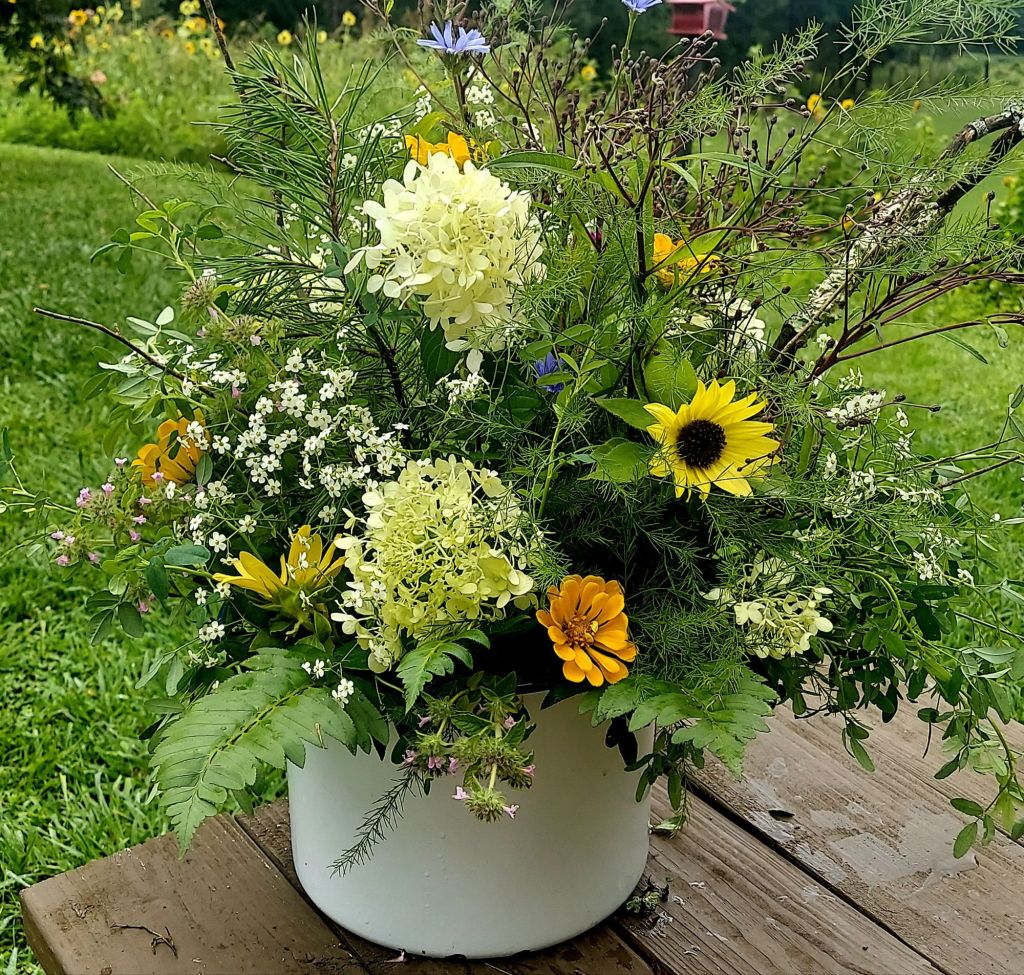
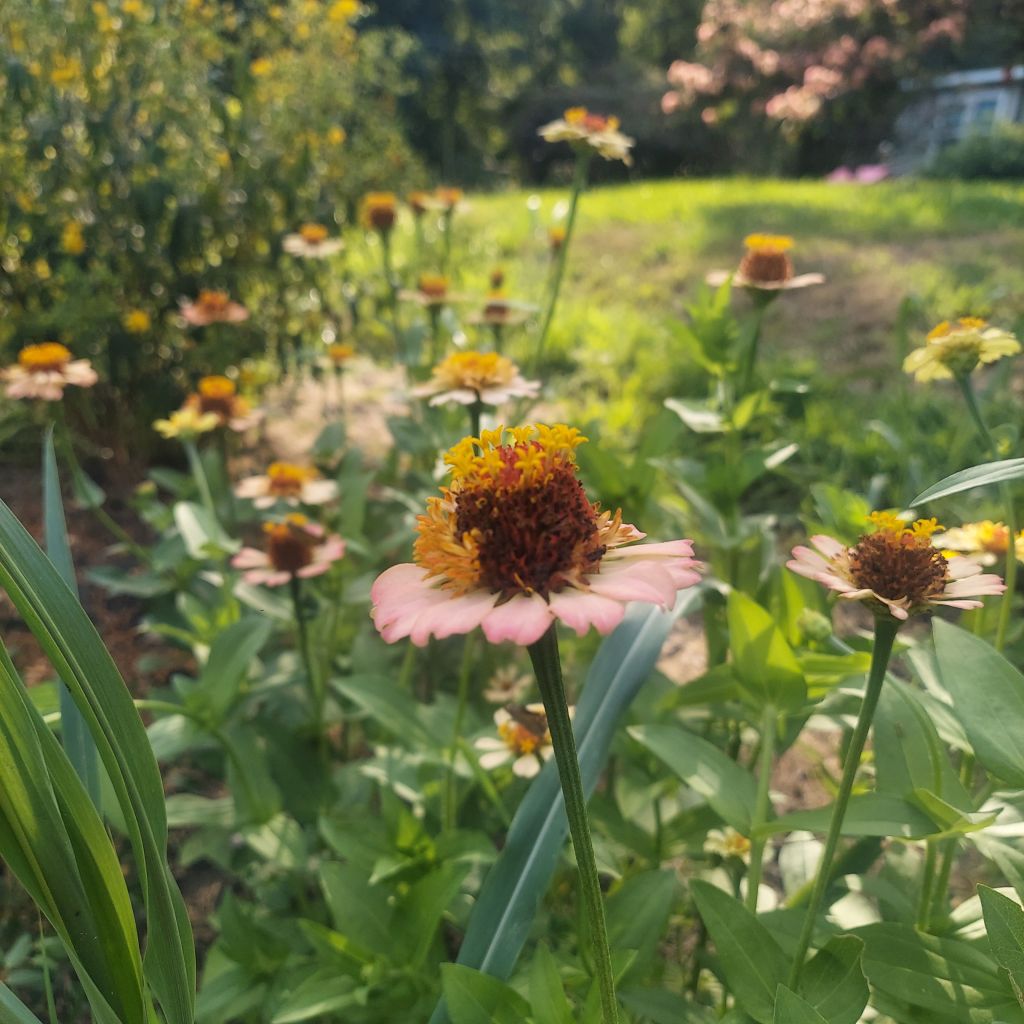
By the way, these are my garden pictures and not stock photography. I added extras for your lusting abilities. Stay tuned! I’ll tell ya the primo places to get your lusty flower seed and my favorite bagged compost and lusty soil tricks. Cause I love you more than dirt ❤️ and that’s a lot!
 Granny Woman
Leave a comment