Now don’t you go lettin’ the name fool ya.
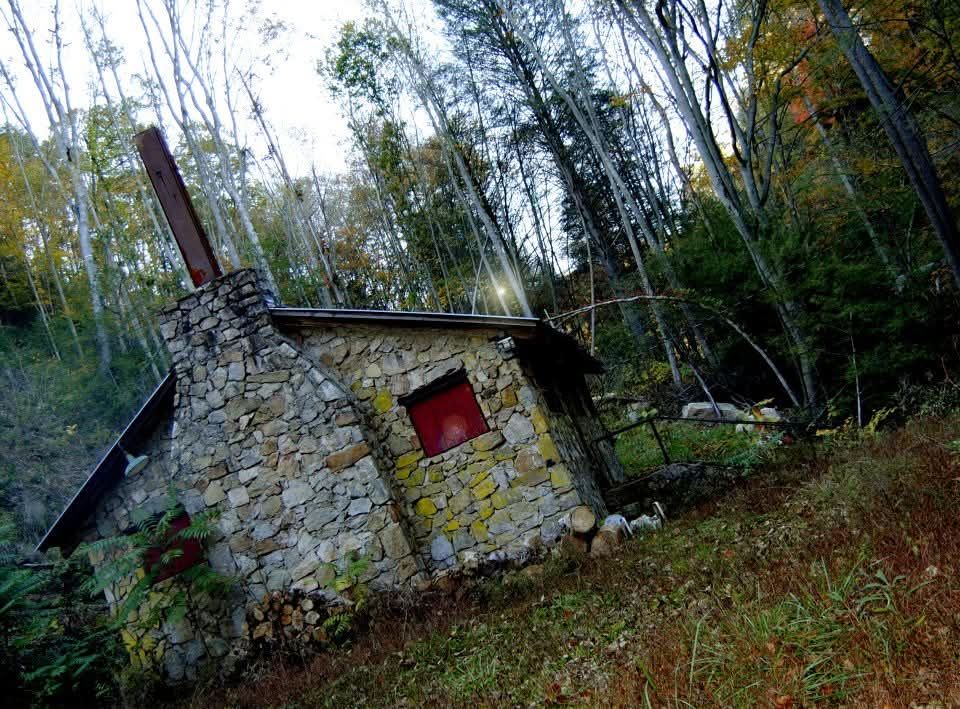
Sugar Holler ain’t sweet ‘cause of no candy. It got its name from the stills—back when the menfolk were runnin’ shine thick as creekwater and the law was too tired or too scared to find the smoke. The air used to smell like mash and honeysuckle had a baby.
But the real sweet came later—after that red-haired woman showed up.
Enna Mae, folks called her. No one rightly knew where she come from, but the story goes she walked clean outta the fog one mornin’ with a mule, a copper kettle, and a look in her eye that told the mountain, you’ll do.
That woman had hair like autumn fire and eyes pale as moonstone. When she laughed, dogs three hollers over quit barkin’. When she got mad, thunder rolled without a cloud in sight.
Now the night she settled, a storm cracked open the ridge, split her mimosa tree clean in two. Come sunrise, she found a dented old washtub washed down in the creek—galvanized, shiny as silver, hummin’ like it still remembered the storm. She flipped it over, give it a tap, and near about dropped her spoon. Sounded just like rain hittin’ a tin roof.
From that moment on, that tub was her drum, and the holler had a heartbeat.
She’d play under the mimosa when the moon was fat and the air still. The sound weren’t exactly music—it was vibration, deep and sure. You didn’t just hear it, you felt it. Made your ribs rattle, your sins quiver.
Now, some said that drum was callin’ up spirits. Others said it was callin’ down peace. Truth is, both were right. The pure-hearted swore it sounded like heaven. The empty-souled ran for their lives—said it was a flood comin’ to swallow ‘em whole.
And somewhere out in them woods, a shadow moved with every beat. Some folks called it a bear, some called it the Hairy Man. Enna Mae called it home.
That’s how the holler found its keeper—a woman who tamed storms and brewed shine that could mend a broken heart or start one, dependin’ on who drank it.
Now they say every full moon she’d play that tub till dawn, keepin’ the ridge safe, hummin’ the women home.
And one such night, while the trees were shiverin’ to her song, Enna Mae looked up from her drum and felt it—
a wagon comin’ slow through the dark, wheels cryin’ on the gravel, a story heavy enough to bend the moonlight.
Part Two: The Woman in the Wagon
Now I told y’all last about Enna Mae—red hair wild as a fox tail, moonstone eyes that saw through lies quicker than lightning splits a tree, and that washtub drum she played like she was callin’ the earth to attention. Well, that wasn’t but the half of it. See, peace don’t come cheap in these mountains. The holler had finally settled into itself—babies dreamin’ easy, women breathin’ quiet for the first time in years—when the moon rolled over the ridge big as a buttered biscuit, yellow and heavy like it was warnin’ somebody.
That’s when she came.
A wagon crawled up the road slow as sorrow, wheels squeakin’ like they were afraid to wake the dead. The horse was worn slick with sweat, hawks circlin’ overhead like they were tryin’ to figure out who was ridin’ in and who was bein’ carried out. The woman drivin’… mercy. She was too pretty for her own good—that soft kind of pretty men try to own, and the bright kind of pretty that makes other folks whisper about blessings and curses. But her eyes? Her eyes told a different story. Someone had wrung her dry of bein’ loved for who she was. Someone had been lookin’ at her like she was a photograph, a trophy, a campaign prop instead of a human woman with a soul worth tendin’.
In her arms, she held a little girl— all curls and grit and fire—the kind of child who’d turn cartwheels in a funeral home and still make everybody laugh through their tears. And in the back of the wagon, under a patchwork quilt, lay a man. Still as cold rock. Still as justice sometimes comes too slow. The women in town knew that fella—a politician who used his wife and child like ornaments on a Christmas tree. Pretty to look at, good for picture-takin’, and tucked away neat once the crowd was gone. He’d cheated more than he worked, lied more than he listened, and kept his fists ready when the world didn’t clap loud enough for him.
But that night, the woman didn’t flinch. Not once. She pulled that wagon up to Enna Mae’s gate like she’d reached the last place on earth where her soul could still be saved. Enna Mae didn’t ask a single question. Just stood from her rocker and said, “Bury what’s dead, honey. Plant what still has breath.”
The blonde woman climbed down silent. Dug the hole herself, sweat and tears both fallin’ into that open dirt. Her little girl slept curled up in the wagon, safe at last. And when the hole was ready, she laid that man beneath the thornbush and covered him with basil. “Why basil?” she asked. “To sweeten what was sour,” Enna Mae said. “And to keep anything from diggin’ him up—creatures or memories.”
The woman sagged with relief, like someone had finally loosened her bindings. Then Enna Mae set that washtub upside-down and tapped it with her fingertips—soft, slow, gentle as a mother hummin’ to a feverish child. That sound crawled through the blonde’s bones, untied all the fear-knots behind her ribs, and let her heart stretch for the first time in years.
Out in the timber, the Hairy Man stirred—tall and wild, watchful, steppin’ just close enough to let the mountain know: this one’s under our protection now. By dawn, the wagon was empty. The woman and her child were asleep on Enna Mae’s porch, peace breathin’ through them like a long-awaited prayer.
And that, babies, is how the first woman came to Sugar Holler—not lookin’ for pity, not lookin’ for revenge, but lookin’ for freedom and bringin’ her integrity with her like armor.
 Granny Woman
Leave a comment